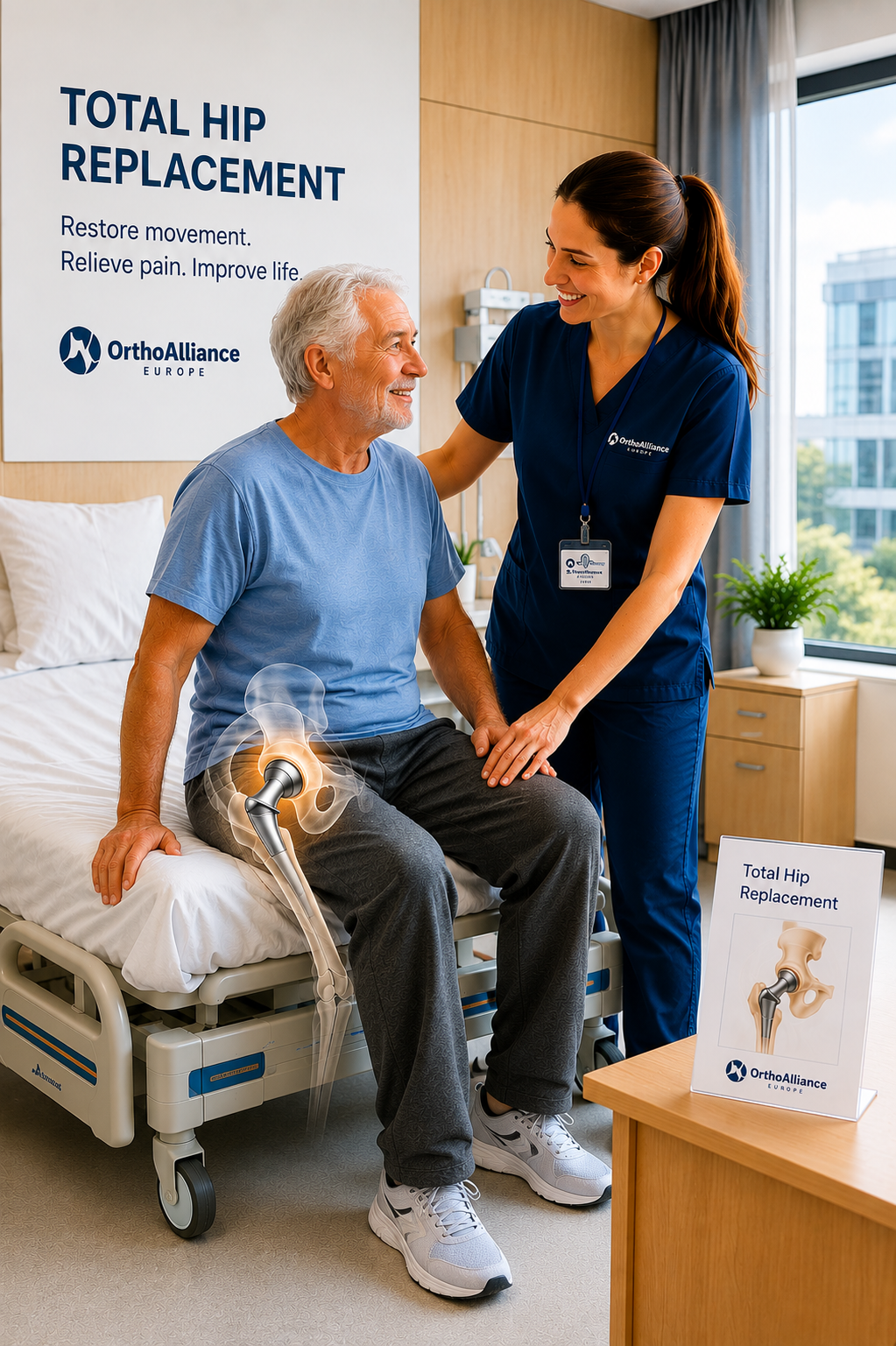
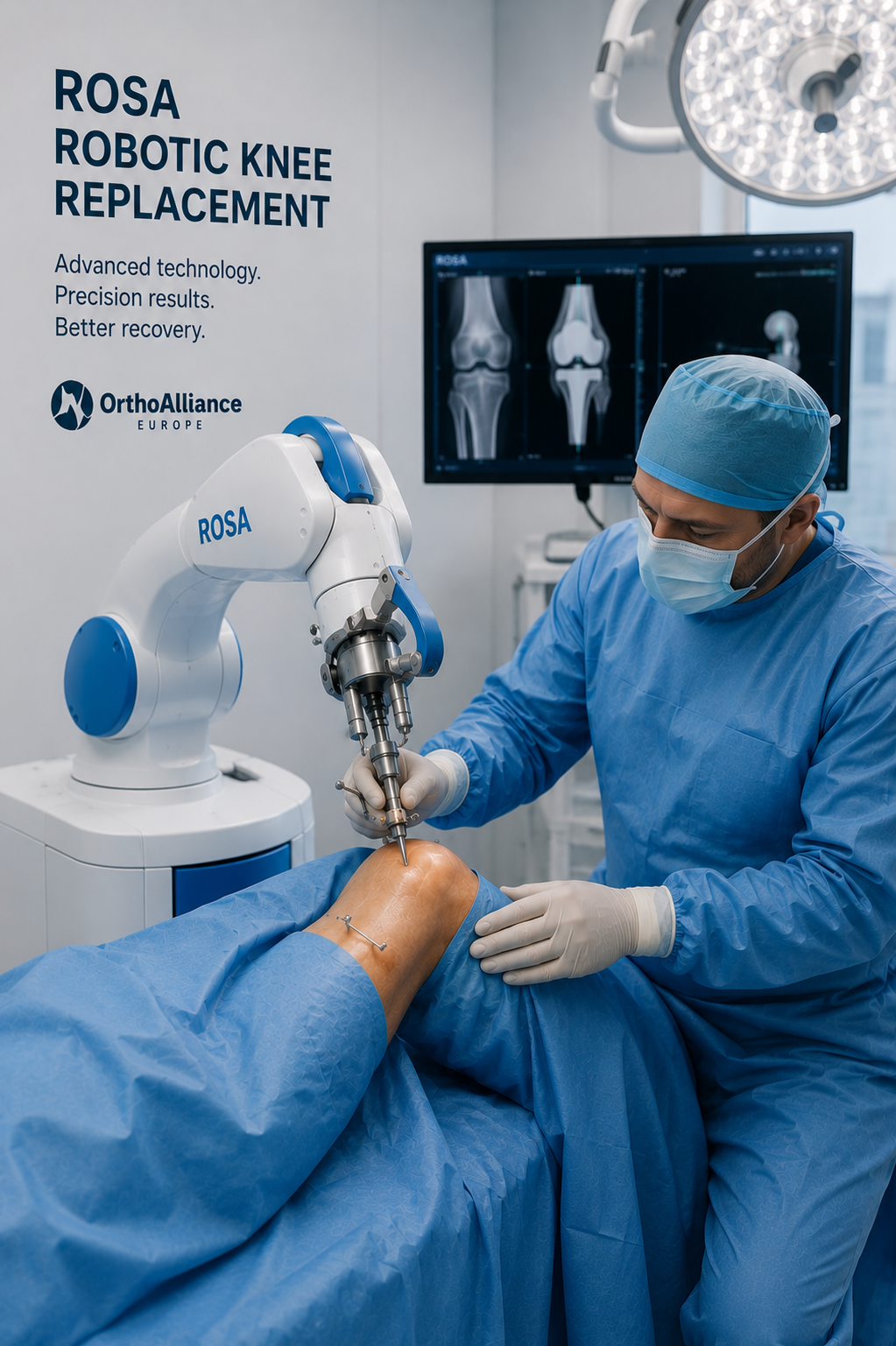
Successful orthopedic surgery does not end when the procedure is completed. While hip and knee replacement surgery can relieve pain and restore joint function, rehabilitation plays an equally important role in helping patients achieve the best possible outcome.
Many patients focus primarily on the operation itself, but recovery is a journey that continues long after leaving the operating theatre. A structured rehabilitation program helps patients rebuild strength, improve mobility, regain confidence, and safely return to everyday activities.
At GVM Holy Family Specialist Hospital in Poland, rehabilitation is an integral part of the treatment pathway. Through OrthoAlliance Europe, UK patients benefit from coordinated recovery support designed to maximize the results of surgery and promote long-term success.
Why Rehabilitation Matters After Joint Replacement
Hip and knee replacement surgery addresses the damaged joint, but muscles, ligaments, balance, and movement patterns often require additional attention during recovery.
After surgery, patients may experience:
- Muscle weakness
- Reduced flexibility
- Limited range of motion
- Balance difficulties
- Walking challenges
- Reduced confidence in movement
Without proper rehabilitation, recovery can take longer and patients may struggle to achieve their full potential.
A structured rehabilitation program helps patients progressively rebuild strength and mobility while reducing the risk of complications and setbacks.
“Surgery creates the opportunity for improvement, but rehabilitation helps patients turn that opportunity into long-term results.”
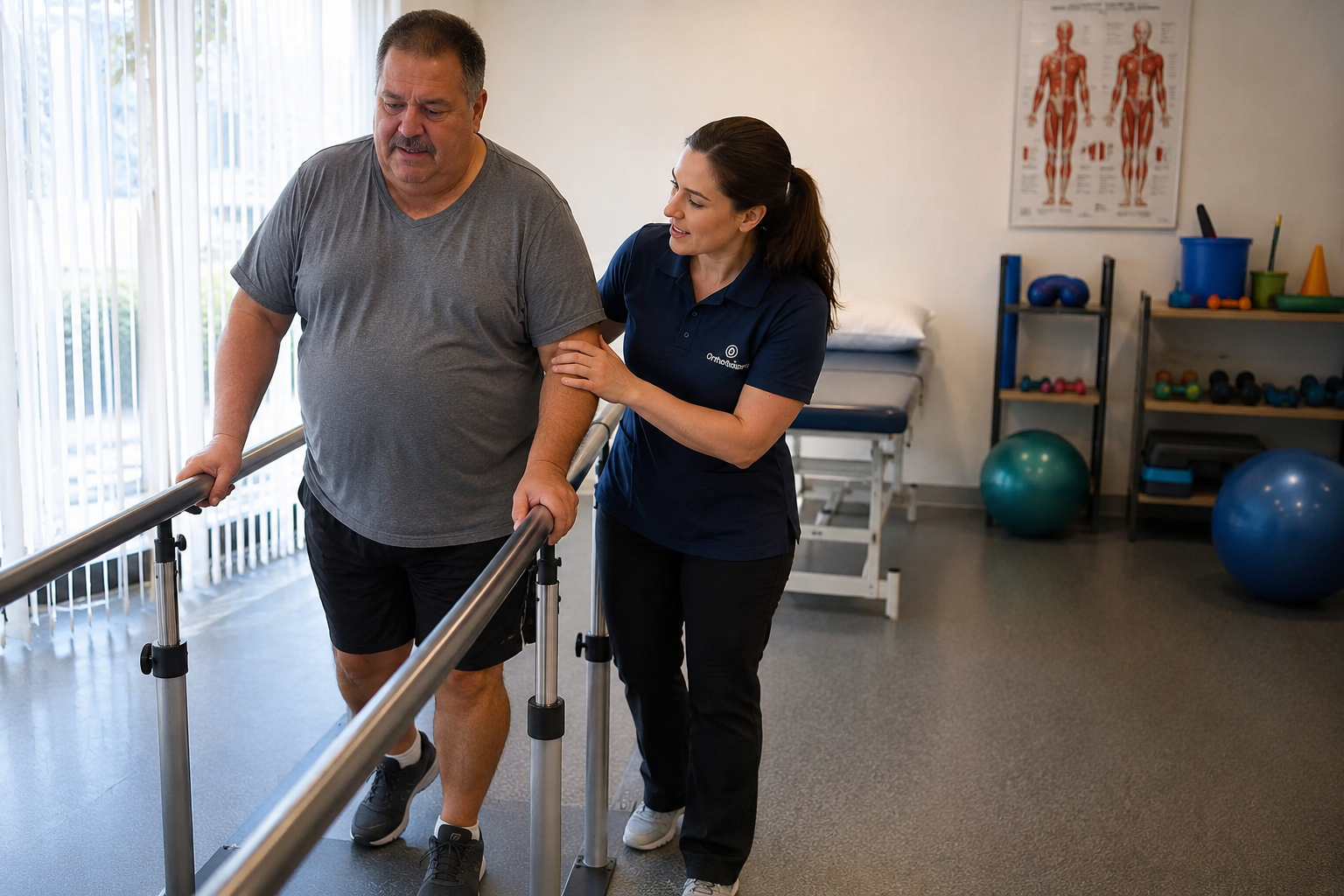
The First Stage of Recovery
Recovery begins shortly after surgery.
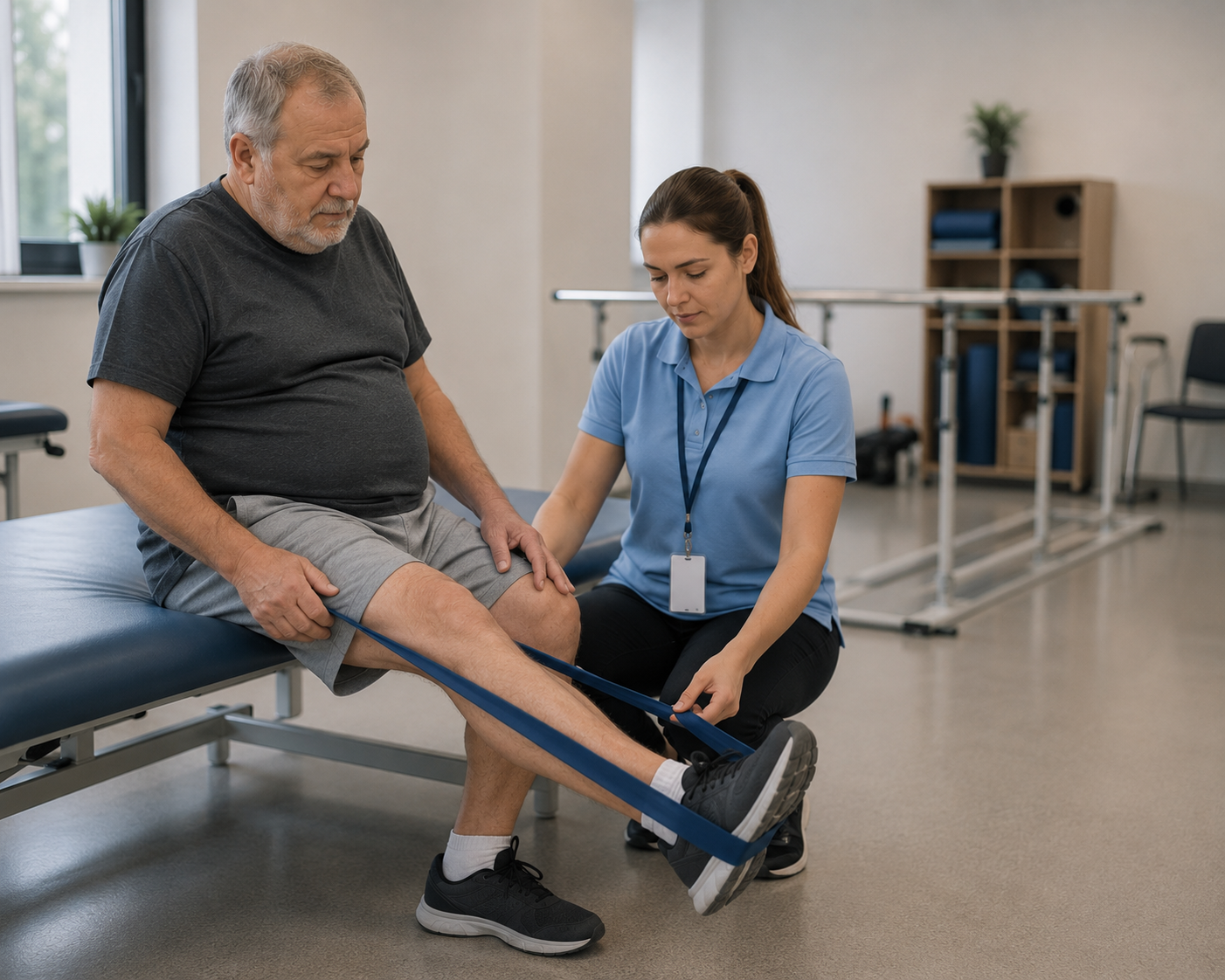
Patients are encouraged to start moving as soon as it is medically appropriate. Early movement helps improve circulation, reduce stiffness, and support the healing process.
During the first stage of rehabilitation, the focus is typically on:
- Safe mobility
- Walking assistance
- Gentle exercises
- Pain management
- Joint movement
- Basic daily activities
Physiotherapists closely monitor progress and guide patients through exercises that are appropriate for their stage of recovery.
This early support helps establish a strong foundation for continued improvement.
Building Strength and Mobility
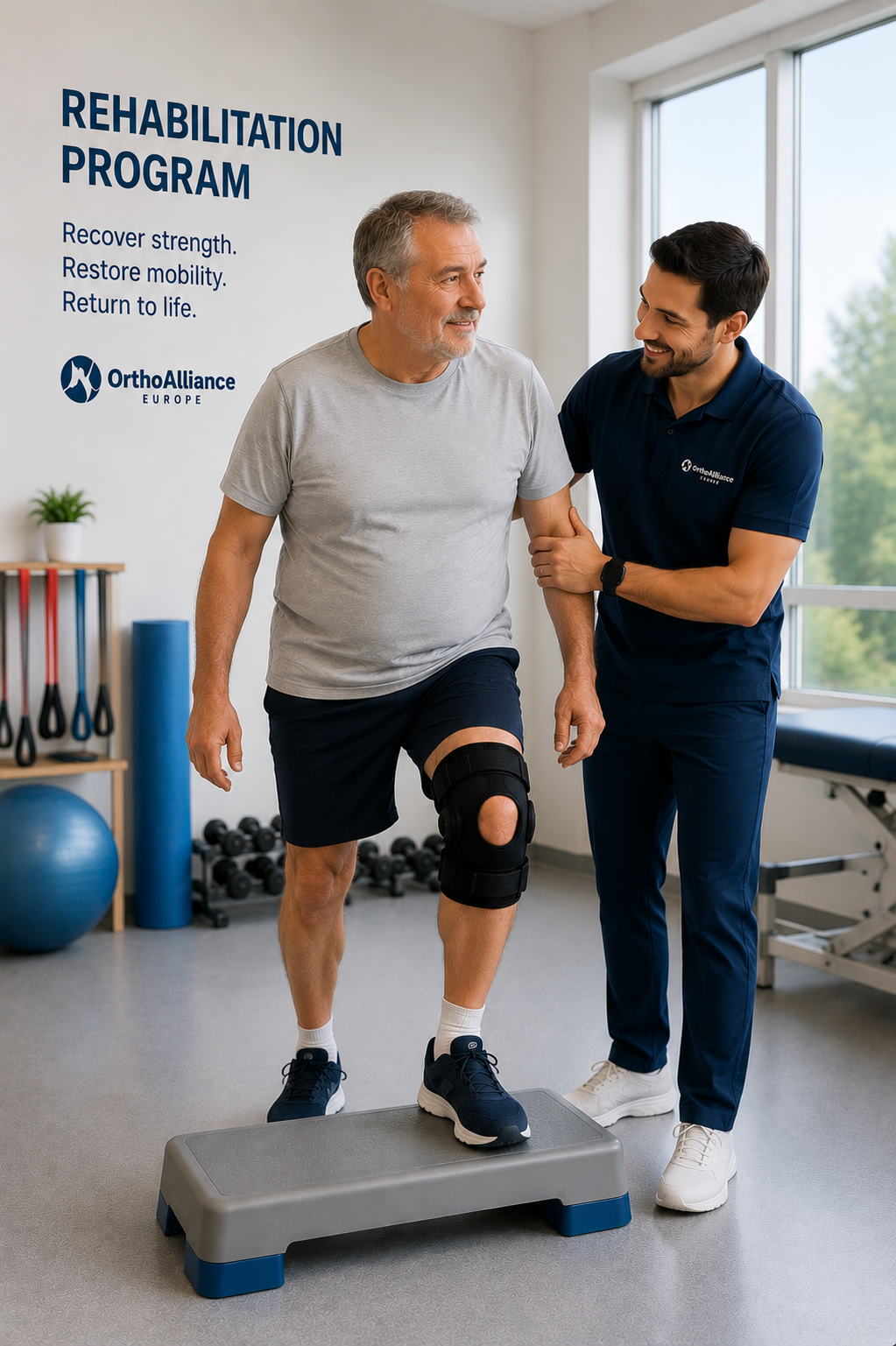
As recovery progresses, rehabilitation becomes increasingly focused on restoring normal movement patterns and improving physical function.
A comprehensive rehabilitation program may include:
- Strength training
- Balance exercises
- Walking practice
- Joint mobility exercises
- Functional movement training
- Endurance improvement
These exercises are carefully adapted to each patient’s needs, ensuring that progress is achieved safely and effectively.
The goal is not simply to recover from surgery but to help patients return to an active and independent lifestyle.
Regaining Confidence in Everyday Activities
One of the most overlooked aspects of recovery is rebuilding confidence.
Many patients have lived with pain and limited mobility for years before surgery. As a result, they may develop habits that restrict movement or create anxiety about physical activity.
Rehabilitation helps patients gradually regain trust in their new joint by improving:
- Advanced robotic-assisted technology
- Walking confidence
- Stair climbing ability
- Balance and coordination
- Independence at home
- Participation in social activities
As mobility improves, patients often discover that activities they once avoided become possible again.
This renewed confidence is one of the most rewarding aspects of successful rehabilitation.
A Personalized Recovery Pathway
Every patient’s recovery journey is different.
Factors such as age, general health, fitness level, and the type of surgery performed can influence rehabilitation needs.
For this reason, structured rehabilitation programs are designed around individual goals and abilities.
Patients may progress at different speeds, but regular assessment and professional guidance help ensure that recovery remains on track.
The focus is always on achieving sustainable improvement while minimizing the risk of injury or overexertion.
Why UK Patients Choose Rehabilitation in Poland
Many UK patients appreciate the opportunity to combine surgery and rehabilitation within a coordinated treatment pathway.
At GVM Holy Family Specialist Hospital, patients benefit from:
- Professional physiotherapy support
- Structured rehabilitation programs
- Modern recovery facilities
- Experienced healthcare professionals
- Continuous progress monitoring
- Coordinated patient care
This integrated approach allows patients to focus entirely on recovery while receiving support from a multidisciplinary medical team.
Through OrthoAlliance Europe, every stage of the journey is carefully organized, including treatment planning, accommodation, transfers, and recovery coordination.
Returning Home After Rehabilitation
A successful rehabilitation program prepares patients not only for recovery within the hospital but also for life after returning home.
Before discharge, patients receive guidance on:
- Home exercises
- Walking progression
- Activity recommendations
- Recovery expectations
- Ongoing mobility goals
This helps ensure that progress continues even after leaving Poland.
Many patients report that the combination of surgery and structured rehabilitation gives them the confidence to return to everyday life with greater comfort and independence.
Conclusion
Rehabilitation is one of the most important components of successful hip and knee replacement treatment. While surgery addresses the damaged joint, rehabilitation helps patients rebuild strength, restore movement, and regain confidence.
Through structured physiotherapy, personalized recovery plans, and professional support, patients can maximize the benefits of surgery and achieve lasting improvements in mobility and quality of life.
At GVM Holy Family Specialist Hospital and through the coordinated support of OrthoAlliance Europe, UK patients receive comprehensive rehabilitation care designed to support a safe, effective, and successful recovery journey.