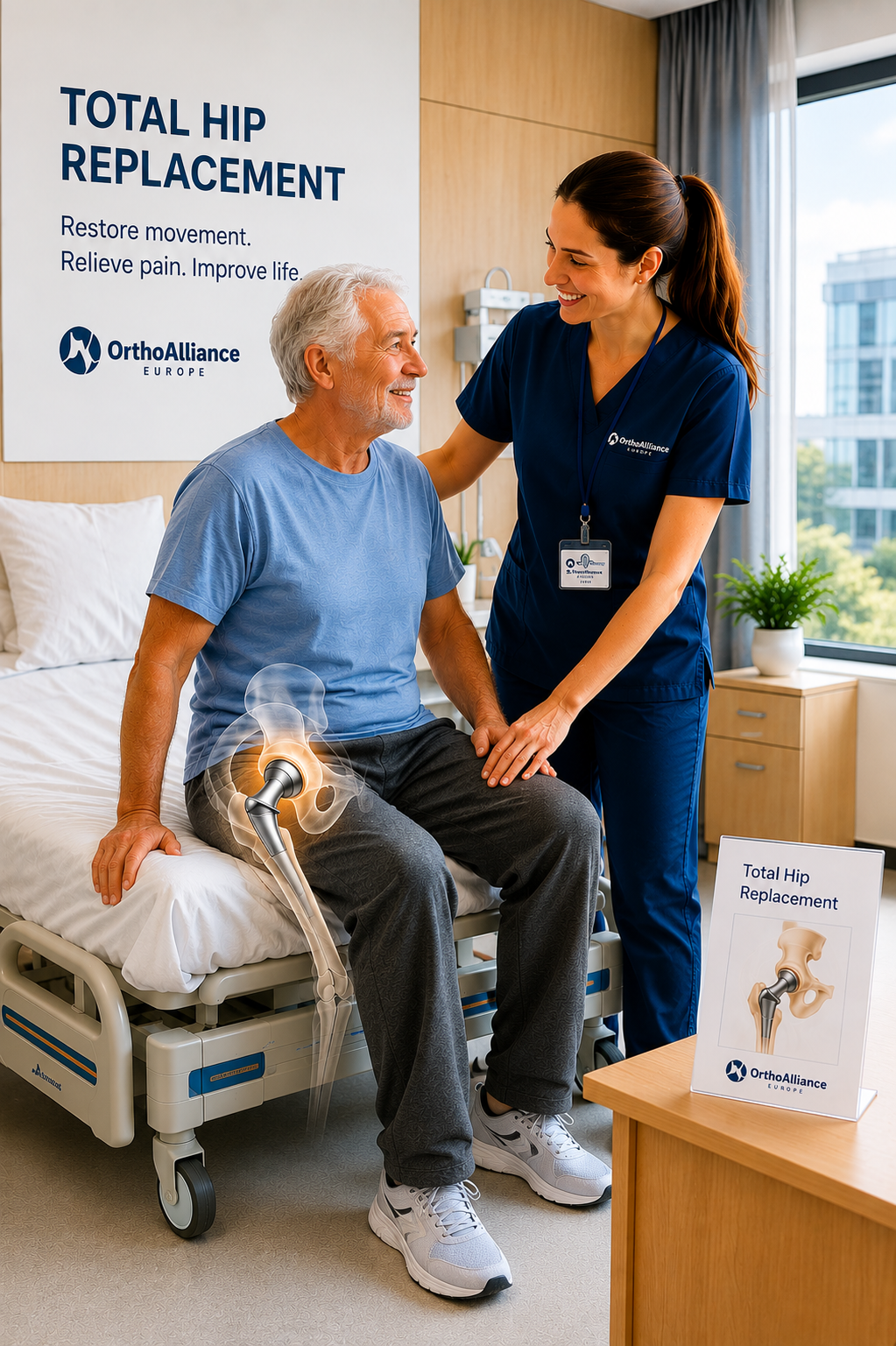
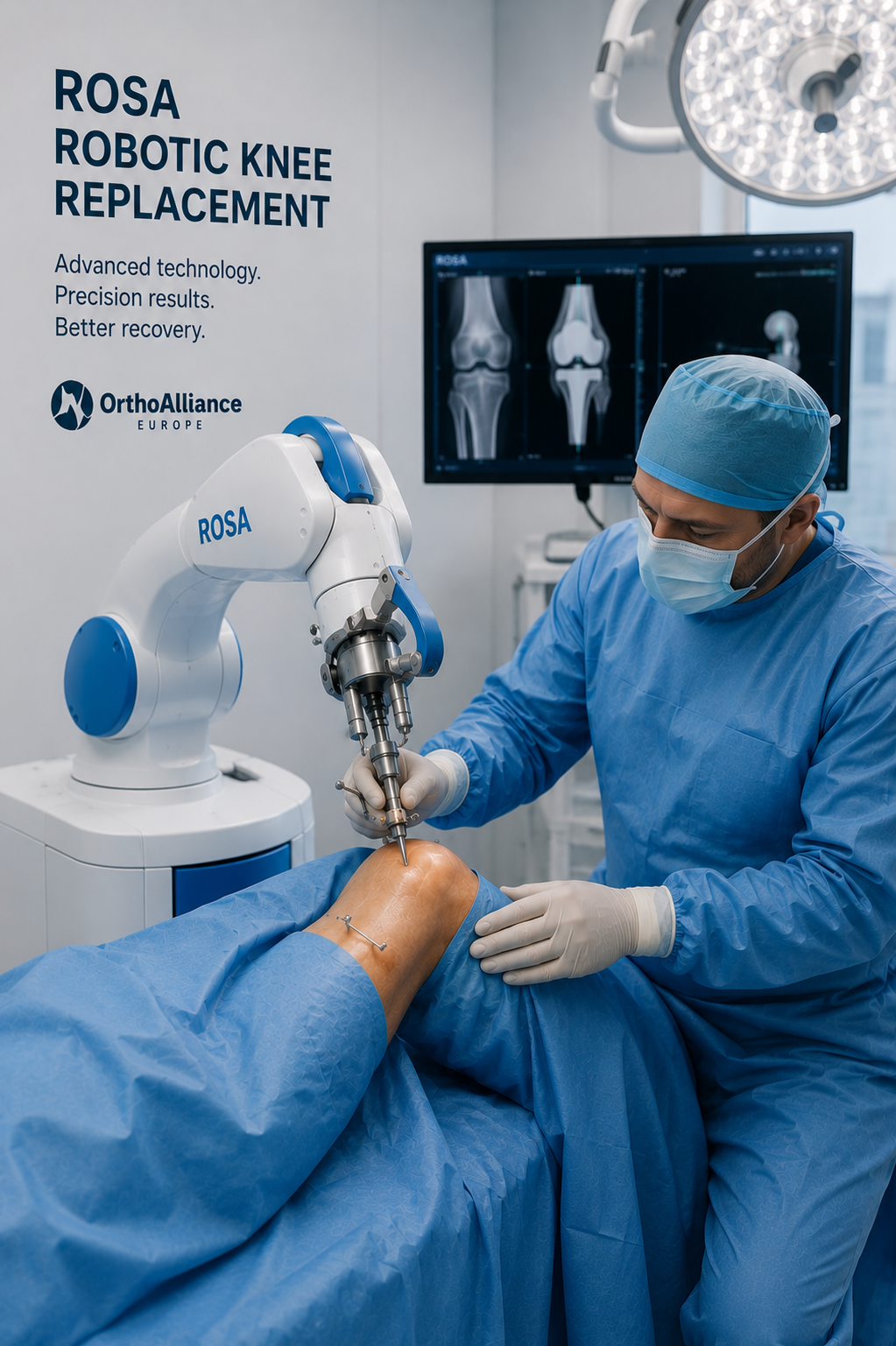
Hip pain can gradually affect every aspect of daily life. What often begins as occasional discomfort may eventually develop into persistent pain that limits walking, exercising, working, and even sleeping comfortably. For patients suffering from severe hip arthritis or advanced joint damage, Total Hip Replacement can provide an effective long-term solution.
Today, hip replacement surgery is considered one of the most successful orthopedic procedures worldwide. By replacing the damaged joint with a modern prosthetic implant, patients can experience significant pain relief, improved mobility, and a better quality of life.
For UK patients seeking specialist orthopedic treatment, GVM Holy Family Specialist Hospital in Poland offers access to modern surgical care, experienced orthopedic surgeons, and a fully coordinated treatment pathway through OrthoAlliance Europe.
Common Signs You May Need Hip Replacement Surgery
Many patients live with hip pain for years before considering surgical treatment. Over time, joint degeneration can make even simple activities increasingly difficult.
Common symptoms include:
- Persistent hip pain
- Stiffness in the joint
- Difficulty walking long distances
- Pain when climbing stairs
- Reduced range of motion
- Pain that affects sleep
- Difficulty putting on shoes or socks
In many cases, patients initially manage symptoms with medication, physiotherapy, injections, or lifestyle modifications. However, when these treatments no longer provide adequate relief, hip replacement surgery may become the most effective option.
“Many patients don’t realize how much their mobility has declined until they experience life after successful hip replacement surgery.”
How Does Total Hip Replacement Work?
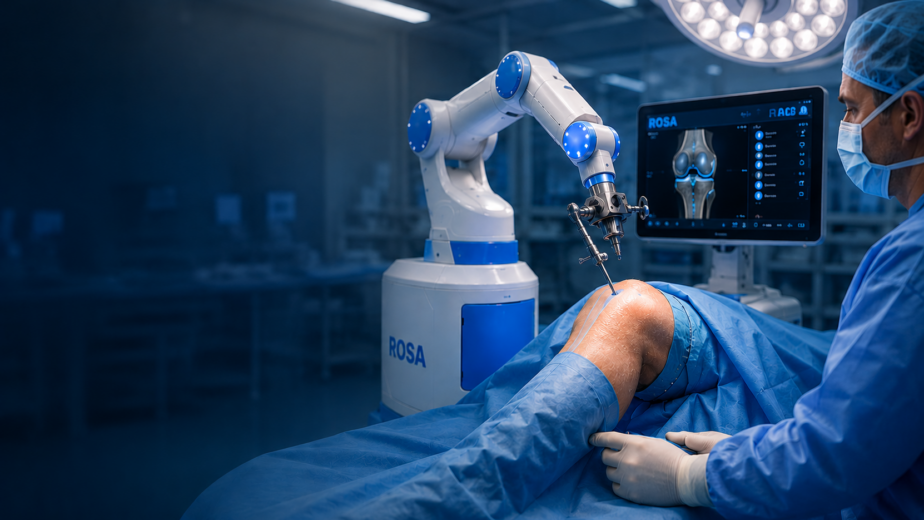
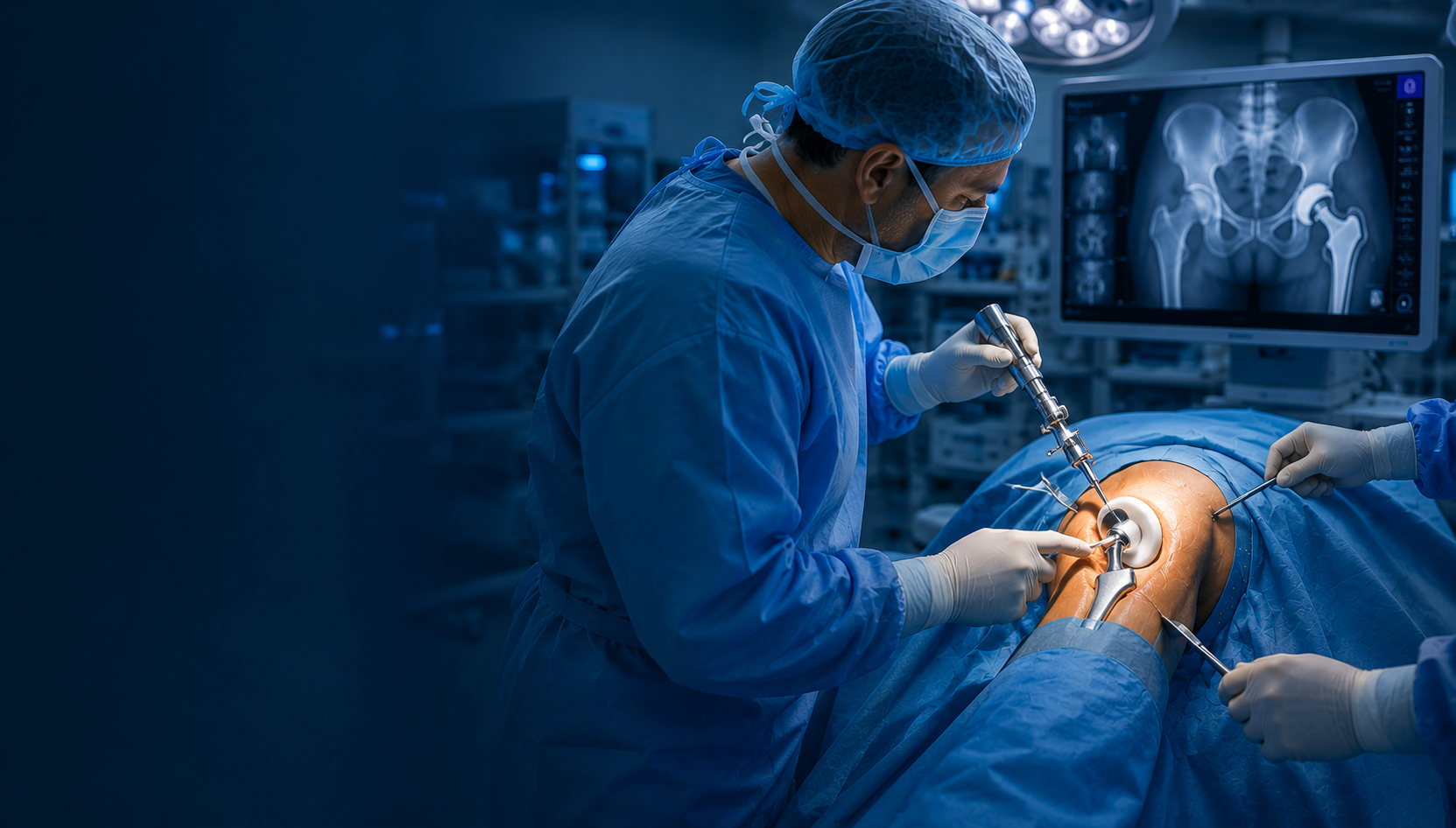
Total Hip Replacement involves removing the damaged portions of the hip joint and replacing them with specially designed prosthetic components.
The procedure typically includes:
- Removal of damaged cartilage and bone
- Replacement of the femoral head with a prosthetic component
- Placement of an artificial socket within the pelvis
- Restoration of smooth joint movement
Modern implants are designed to provide durability, stability, and natural movement, helping patients return to everyday activities with greater comfort.
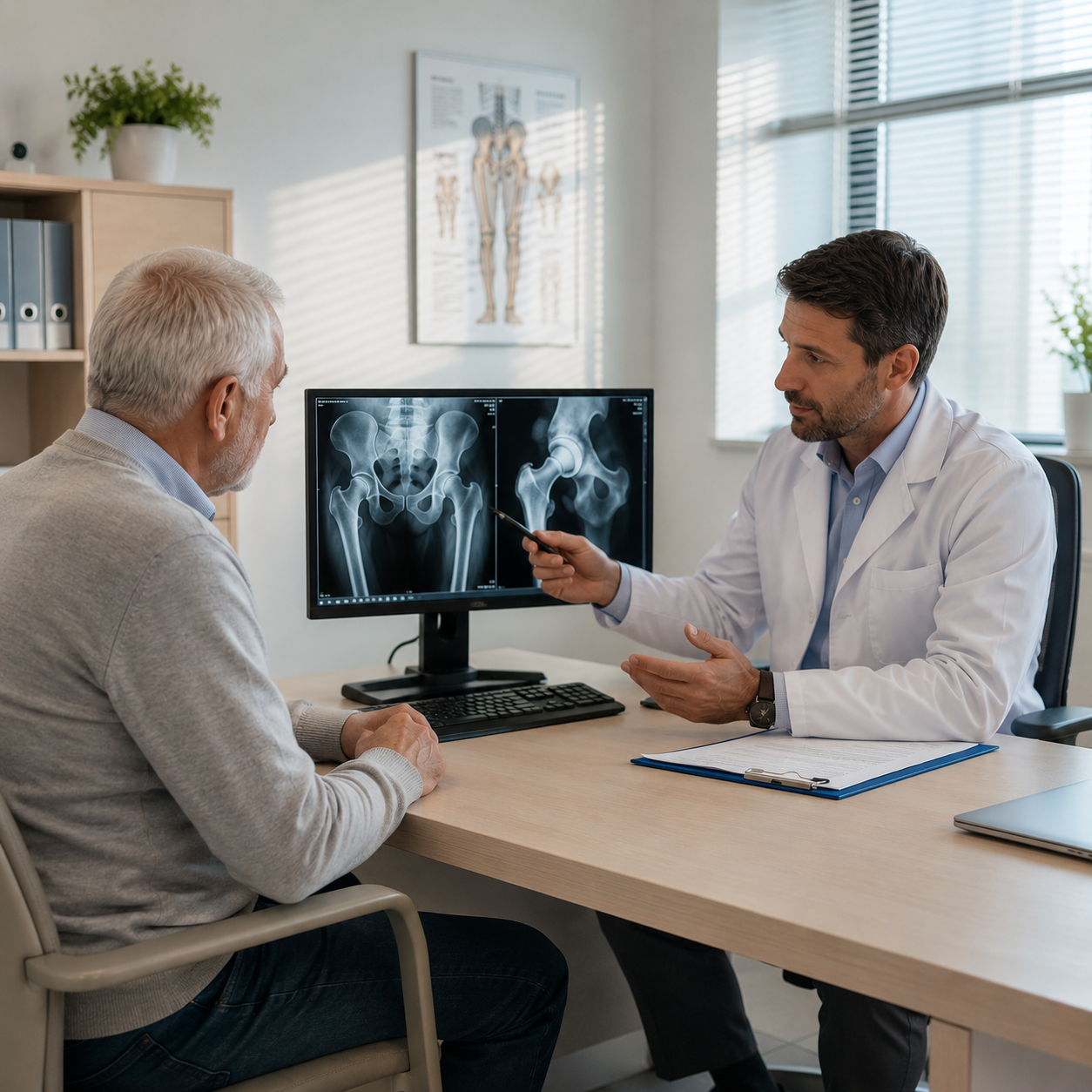
Orthopedic surgeons carefully plan each procedure based on the patient’s anatomy, medical condition, and mobility goals.
Benefits of Hip Replacement Surgery
One of the main reasons hip replacement surgery is so widely performed is its ability to deliver long-term improvements for patients suffering from chronic pain.
Potential benefits include:
- Significant pain reduction
- Improved walking ability
- Better joint function
- Increased independence
- Improved sleep quality
- Enhanced quality of life
- Greater participation in daily activities
Many patients report dramatic improvements in comfort and mobility once rehabilitation is completed.
Recovery Following Hip Replacement
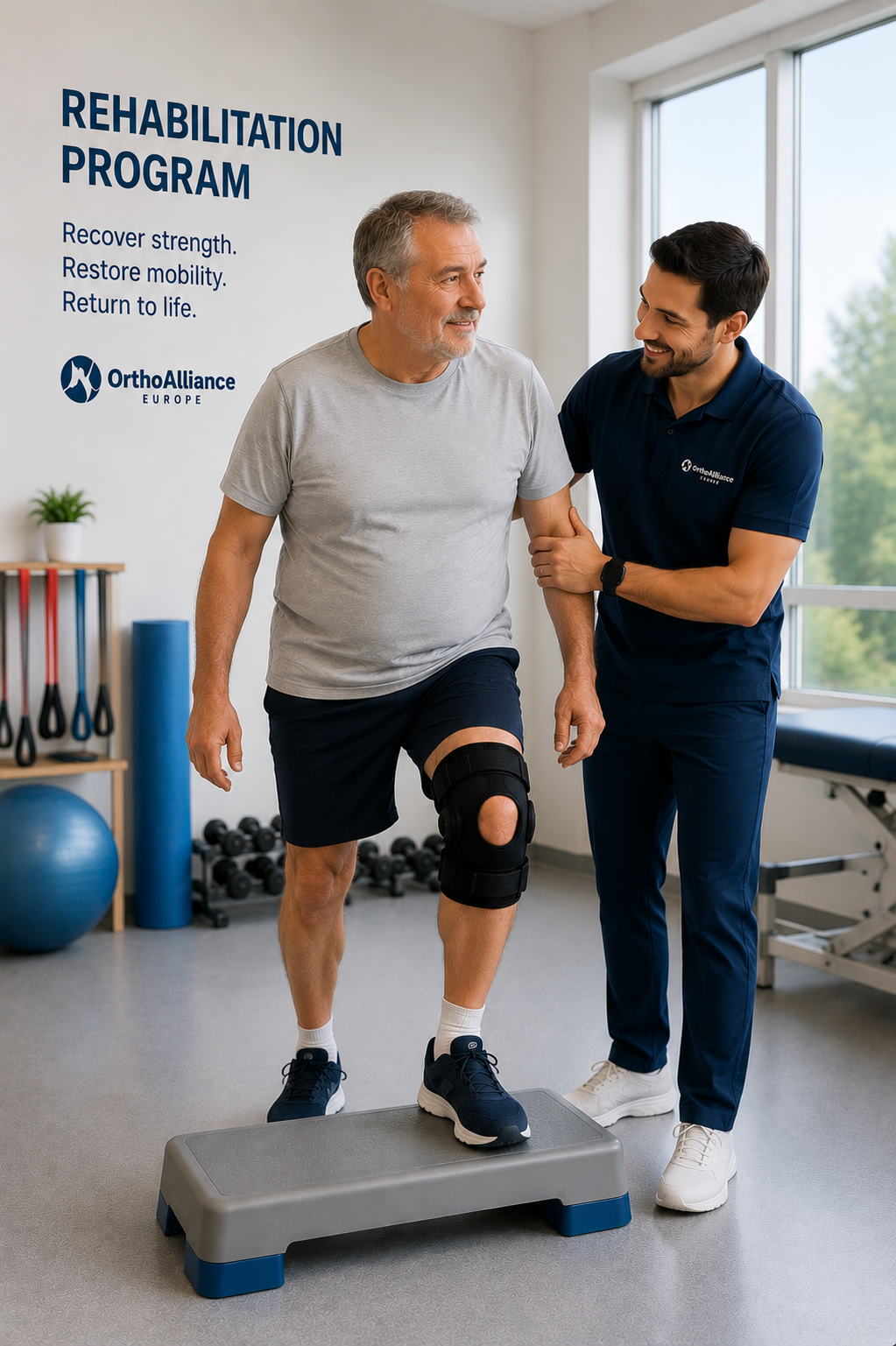
Recovery begins shortly after surgery and continues through a structured rehabilitation process.
Patients are encouraged to begin moving as soon as it is medically appropriate. Early movement helps support circulation, improve mobility, and reduce recovery time.
Recovery may include:
- Walking with assistance
- Physiotherapy exercises
- Strengthening programs
- Balance training
- Mobility exercises
- Gradual return to daily activities
Each patient’s recovery timeline is unique, but most individuals experience steady improvement during the weeks and months following surgery.
Professional physiotherapists guide patients through every stage of rehabilitation to support a safe and successful recovery.
Why UK Patients Travel to Poland for Hip Replacement
Poland has become an increasingly popular destination for orthopedic treatment due to its combination of modern healthcare facilities, experienced surgeons, and patient-focused care.
At GVM Holy Family Specialist Hospital, patients benefit from:
- Specialist orthopedic expertise
- Modern operating theatres
- Advanced surgical techniques
- Structured rehabilitation support
- Comfortable hospital facilities
- Coordinated international patient services
The hospital is conveniently located near Rzeszów Jasionka Airport, helping simplify travel arrangements for patients arriving from the UK.
Through OrthoAlliance Europe, patients receive support with treatment planning, accommodation, transfers, scheduling, and recovery coordination.
Life After Hip Replacement
For many patients, hip replacement surgery represents an opportunity to return to activities that had become difficult or impossible due to pain.
Following successful rehabilitation, many individuals are able to:
- Walk more comfortably
- Travel with greater ease
- Participate in recreational activities
- Enjoy improved independence
- Return to a more active lifestyle
Total Hip Replacement offers a proven solution for patients living with chronic hip pain and limited mobility. By replacing the damaged joint with a modern prosthetic implant, patients can experience substantial improvements in comfort, movement, and overall quality of life.
Through the combination of experienced orthopedic surgeons, modern hospital facilities, structured rehabilitation, and coordinated patient support, GVM Holy Family Specialist Hospital and OrthoAlliance Europe provide UK patients with access to comprehensive orthopedic care designed to support successful outcomes.
Conclusion
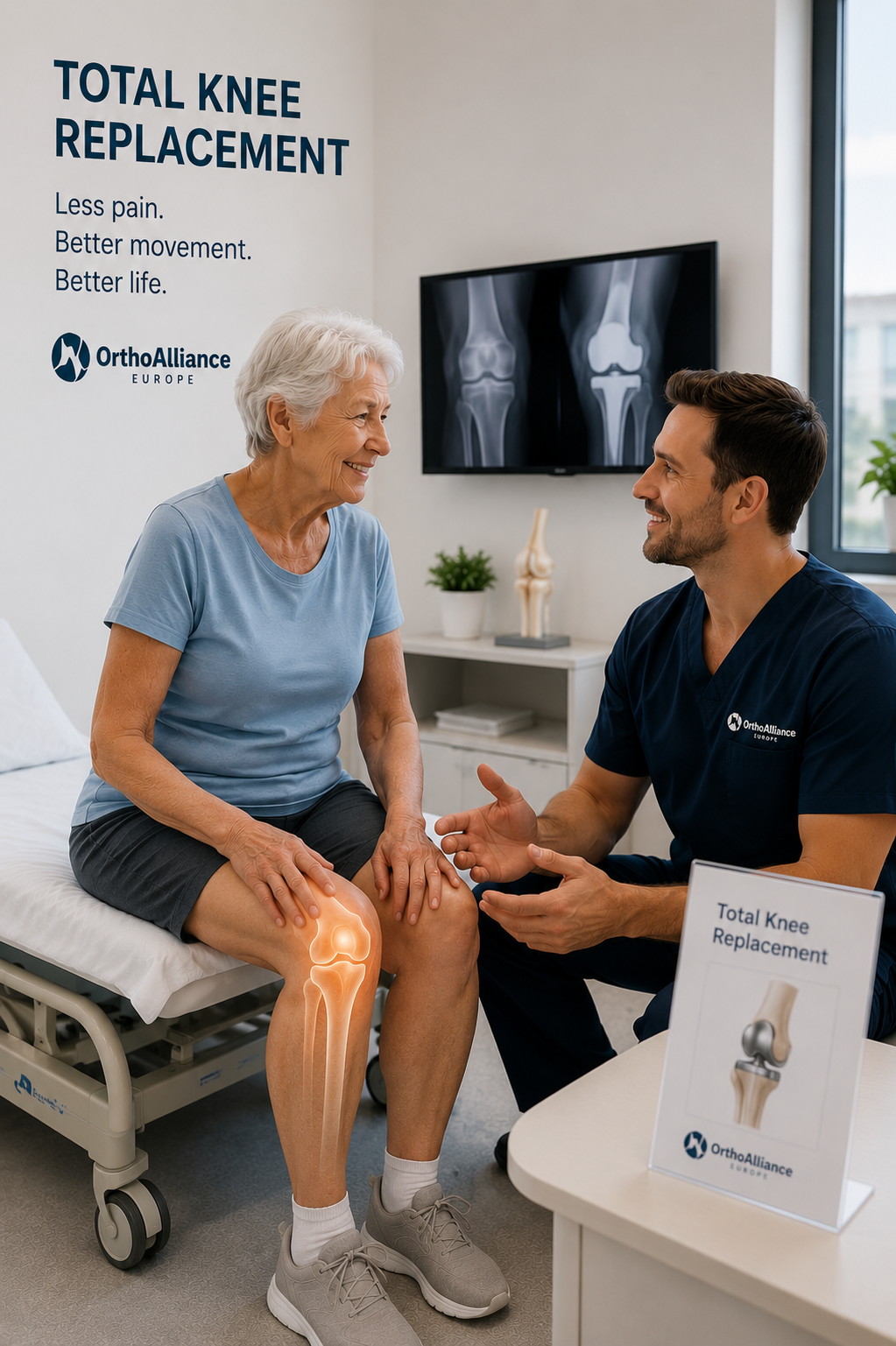
Total Knee Replacement can be a life-changing procedure for patients experiencing chronic knee pain and reduced mobility. When conservative treatments are no longer effective, surgery may provide an opportunity to regain comfort, movement, and independence.
By combining specialist orthopedic expertise, modern hospital facilities, and coordinated patient care, GVM Holy Family Specialist Hospital and OrthoAlliance Europe help UK patients access professional treatment and support throughout every stage of their journey.