Knee replacement surgery has evolved significantly over the past decade, with advances in technology helping surgeons achieve greater precision and improved patient outcomes. One of the most innovative developments in modern orthopedics is ROSA Robotic Knee Surgery, an advanced robotic-assisted system designed to support personalized knee replacement procedures.
For patients suffering from chronic knee pain caused by arthritis or severe joint degeneration, robotic-assisted surgery offers a modern approach that combines surgical expertise with advanced technology. At GVM Holy Family Specialist Hospital in Poland, UK patients can access ROSA Robotic Knee Surgery as part of a fully coordinated treatment pathway managed by OrthoAlliance Europe.
What Is ROSA Robotic Knee Surgery?
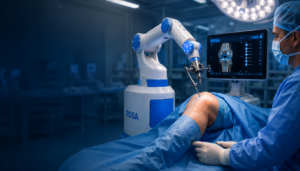
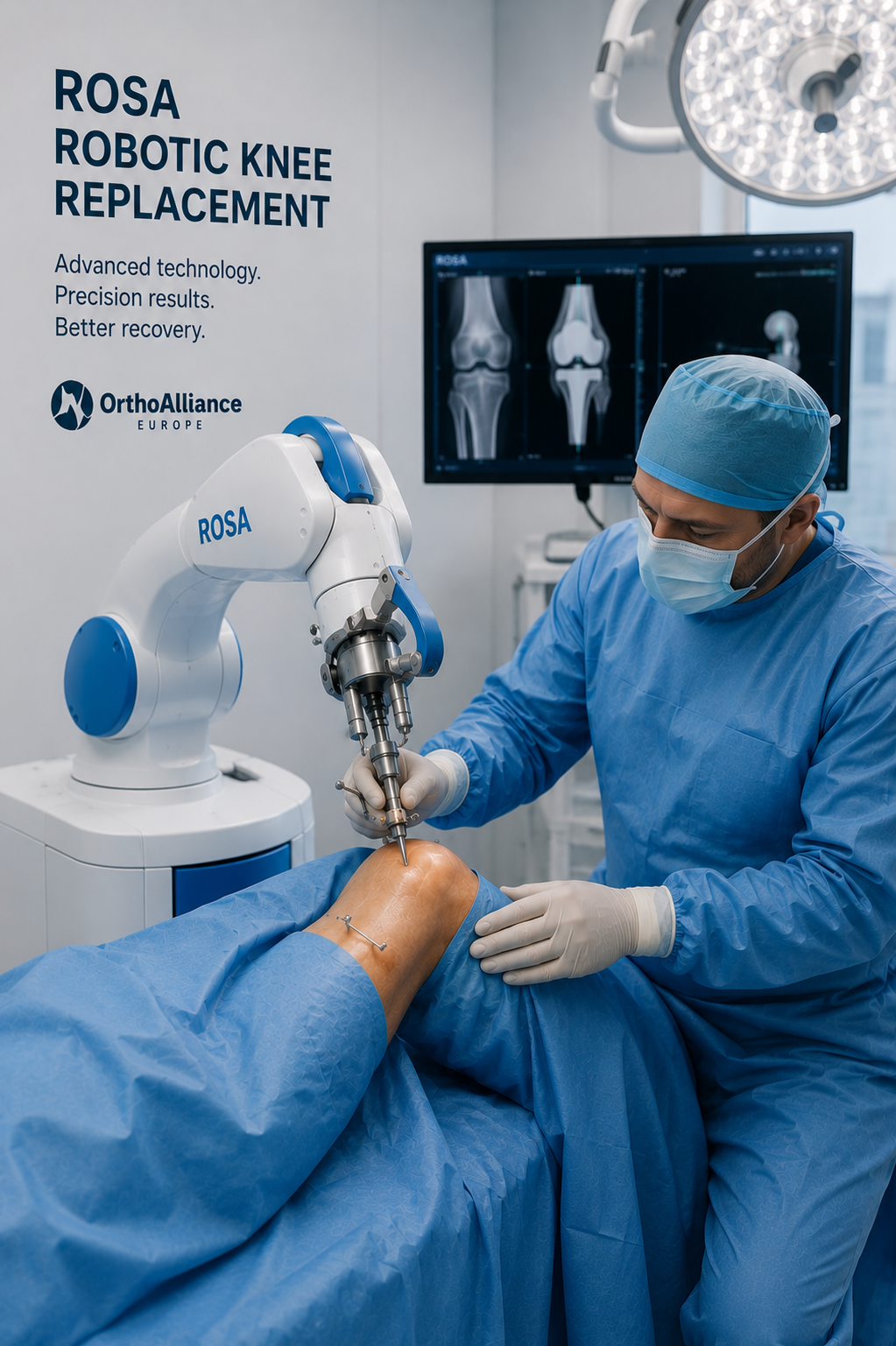
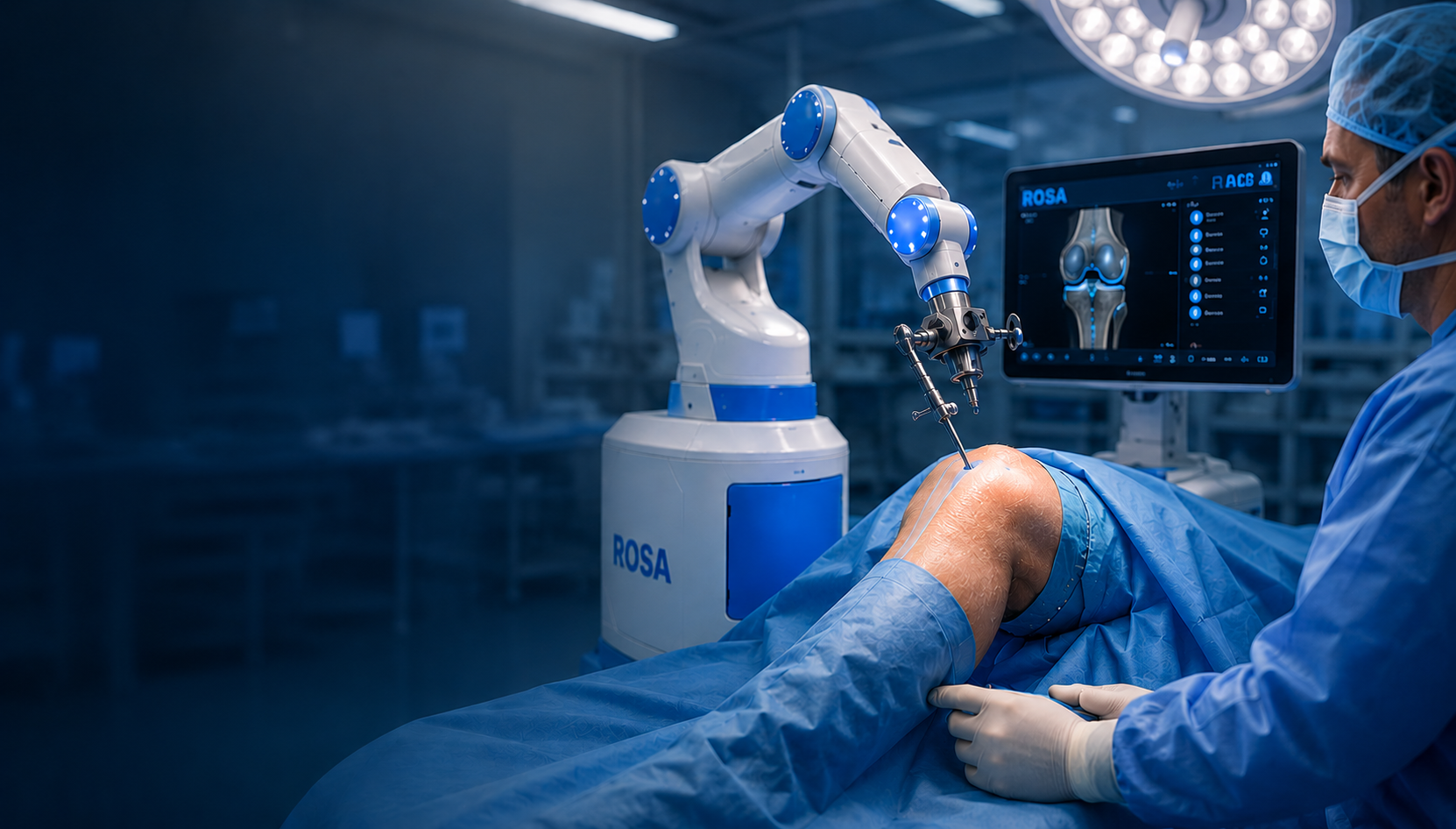
ROSA (Robotic Surgical Assistant) is an advanced robotic platform designed to assist orthopedic surgeons during knee replacement procedures.
Before surgery, the system collects detailed information about the patient’s anatomy and joint structure. During the procedure, ROSA provides real-time data that helps surgeons make precise decisions regarding implant positioning and joint alignment.
It is important to understand that the robot does not perform the surgery independently. The procedure is always carried out by an experienced orthopedic surgeon, while the robotic system provides valuable guidance and accuracy throughout the operation.
This combination of surgical expertise and technological assistance allows for a highly personalized approach to knee replacement.
Why Precision Matters in Knee Replacement
Every patient’s knee anatomy is unique. Small variations in alignment and implant positioning can influence how the knee functions after surgery.
Traditional knee replacement techniques have delivered excellent results for many years, but robotic-assisted systems introduce an additional layer of precision that may help optimize surgical planning and execution.
Potential advantages include:
- More accurate implant positioning
- Improved joint alignment
- Personalized surgical planning
- Real-time intraoperative guidance
- Better balance of soft tissues
- Enhanced surgical consistency
The goal is to create a knee replacement that functions as naturally as possible while reducing pain and improving mobility.
“Robotic technology does not replace the surgeon. It enhances precision by providing real-time information that supports surgical decision-making.”

Who May Benefit From ROSA Robotic Knee Surgery?
The treatment journey begins with a detailed orthopedic evaluation.
Surgeons assess:
- Medical history
- Joint condition
- Diagnostic imaging
- Mobility limitations
- Treatment goals
Once surgery is planned, the ROSA system assists with creating a personalized surgical strategy based on the patient’s individual anatomy.
During the procedure, the robotic platform continuously provides data that helps the surgeon verify implant placement and alignment.
This level of guidance supports a highly controlled and precise surgical environment.
Recovery After Robotic-Assisted Knee Replacement
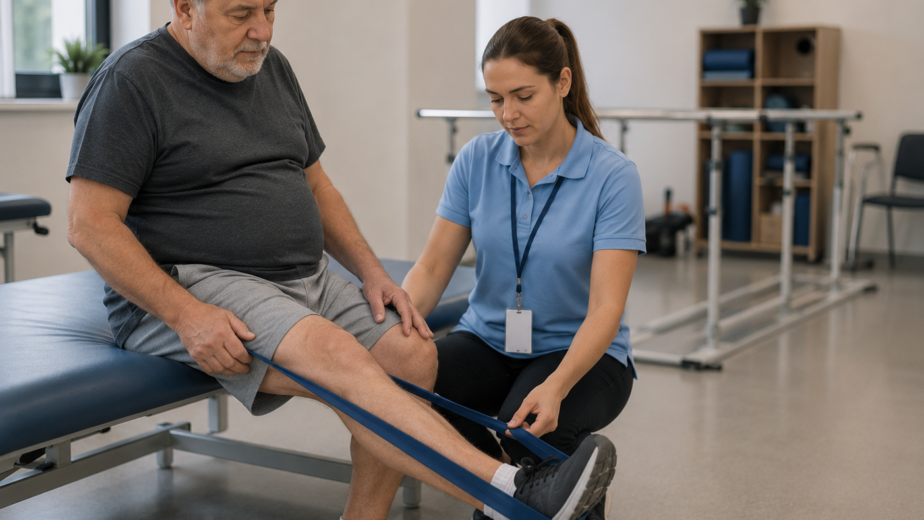
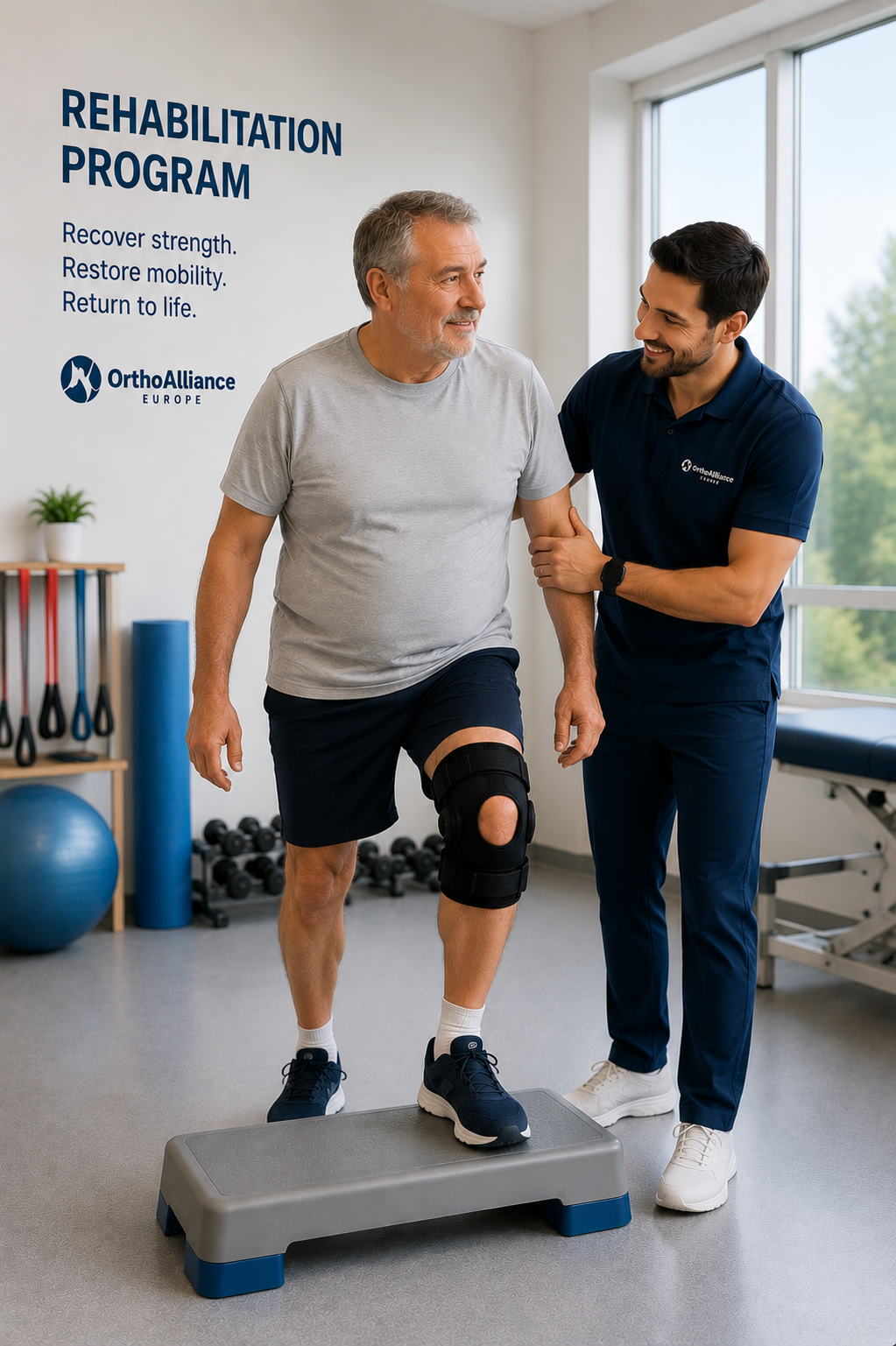
Recovery following ROSA Robotic Knee Surgery follows many of the same principles as traditional knee replacement rehabilitation.
Patients begin mobilization shortly after surgery under professional supervision.
Recovery programs typically include:
- Walking exercises
- Strength training
- Range-of-motion exercises
- Balance improvement
- Physiotherapy sessions
- Progressive mobility goals
The objective is to restore movement, improve confidence, and support a safe return to everyday activities.
Structured rehabilitation plays a critical role in maximizing the benefits of surgery and achieving the best possible outcome.
Why UK Patients Choose Poland for Robotic Knee Surgery
As demand for advanced orthopedic procedures continues to grow, many UK patients are exploring treatment options in Europe.
GVM Holy Family Specialist Hospital offers access to:
- Advanced robotic-assisted technology
- Experienced orthopedic surgeons
- Modern operating theatres
- Structured rehabilitation programs
- International patient support
- Coordinated treatment pathways
Located near Rzeszów Jasionka Airport, the hospital provides convenient access for patients travelling from the UK.
Through OrthoAlliance Europe, patients receive assistance with treatment planning, accommodation, transfers, scheduling, and recovery coordination.
The Future of Knee Replacement Surgery
Robotic-assisted technology represents one of the most significant developments in modern orthopedic surgery.
As technology continues to evolve, systems such as ROSA are helping surgeons deliver increasingly personalized treatment while maintaining the highest standards of patient care.
For patients considering knee replacement, robotic-assisted surgery offers access to a modern approach focused on precision, planning, and long-term joint function.
Conclusion
ROSA Robotic Knee Surgery combines experienced orthopedic expertise with advanced robotic technology to support highly precise knee replacement procedures.
By utilizing real-time guidance and personalized surgical planning, surgeons can optimize implant positioning and joint alignment while helping patients achieve improved mobility and pain relief.
Through GVM Holy Family Specialist Hospital and OrthoAlliance Europe, UK patients can access advanced robotic-assisted orthopedic care within a fully coordinated treatment journey designed to support successful outcomes and long-term recovery.